

“Hanuman Forgot. Arjuna Doubted. What the Gita Really Demands from Us?”

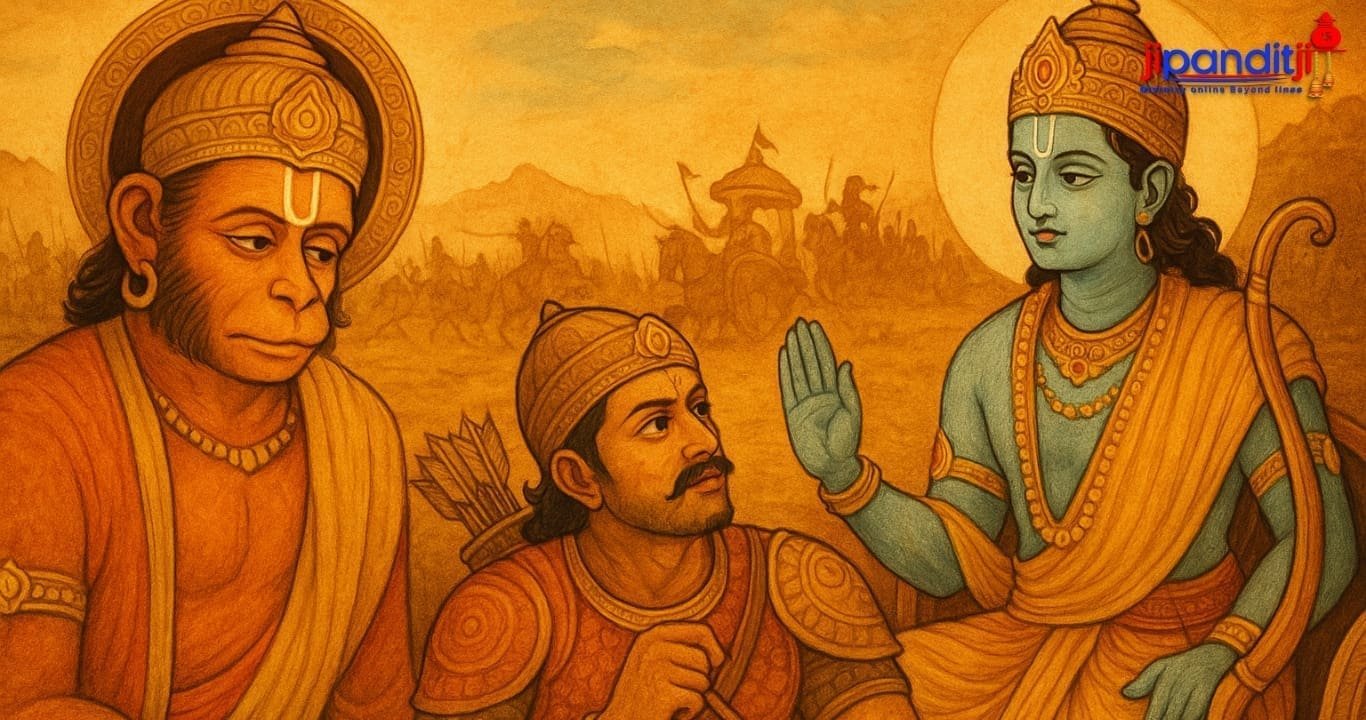
Perfection is one of the most misunderstood goals in human life. We chase it in our careers, relationships, and spiritual practices, believing that flawlessness defines success. Yet history, mythology, and even modern leadership stories reveal the opposite: progress comes not from perfection but from persistence and belief.
The Bhagavad Gita, a timeless scripture, makes this message abundantly clear. It reminds us that even the greatest heroes faltered. Hanuman, the embodiment of devotion, once forgot his strength. Arjuna, the most skilled archer, doubted himself at the most crucial moment of his life. Their stories are not tales of weakness—they are blueprints for resilience. The Gita does not ask for perfection. It asks for faith, courage, and surrender to a higher purpose.
This message holds deep relevance for today’s leaders, professionals, and entrepreneurs. By understanding why even the most powerful faced moments of uncertainty, we can embrace our own imperfections while building stronger belief systems that sustain long-term growth.
Hanuman’s Moment of Forgetfulness: Strength Reawakened
In the Ramayana, Hanuman is celebrated as a symbol of strength, courage, and loyalty. Yet, during the battle against Ravana, there came a moment when Hanuman forgot the extent of his powers. It was Jambavan, the wise bear, who reminded him of his true potential.
This moment is often overlooked, but it holds immense wisdom. Hanuman’s forgetfulness did not diminish his greatness. Instead, it revealed an essential truth: even the strongest among us require guidance and reminders. In business, leadership, or personal development, this translates into the importance of mentorship, teamwork, and continuous self-awareness.
The key lesson: momentary lapses do not define failure—what matters is rediscovering your strength through belief and support.
Arjuna’s Doubt: From Confusion to Clarity
On the battlefield of Kurukshetra, Arjuna stood paralyzed, overwhelmed by fear and compassion. He doubted his duty, questioned morality, and even considered walking away from his responsibility. Here was the greatest archer of his time, yet consumed by hesitation.
It was in this moment of doubt that Lord Krishna delivered the wisdom of the Bhagavad Gita. The teachings were not directed at a flawless warrior but at a man drowning in uncertainty. Krishna reminded Arjuna that life’s true measure lies not in perfection, but in righteous action (dharma), detachment from results, and belief in divine guidance.
Arjuna’s story proves a vital principle: doubt is not weakness—it is the beginning of transformation when coupled with faith and wisdom.
The Central Message: Belief Over Perfection
Both Hanuman and Arjuna illustrate the Gita’s enduring lesson: the demand is not for perfection but for belief. Let’s break down this insight:
- Belief Creates Action – Without belief, doubt paralyzes. With belief, even imperfect action leads to progress.
- Perfection is an Illusion – No leader, saint, or professional has ever been flawless. Growth comes from mistakes embraced and lessons learned.
- Faith Builds Resilience – Whether in spirituality or business, belief in higher values creates resilience during crises.
- Surrender Strengthens – Surrendering ego, as Arjuna did, opens the path for wisdom and clarity.
The Gita’s wisdom echoes across time: we do not need to be perfect beings to succeed—we need to be faithful ones.
Relevance in Today’s World
1. In Business Leadership
Leaders often crumble under the pressure of appearing perfect. But the reality is that teams do not seek perfection in their leaders; they seek authenticity, clarity, and belief in vision. Studies show that 70% of professionals face self-doubt during their careers, yet those who maintain belief in their mission outperform others consistently.
2. In Entrepreneurship
Entrepreneurs are modern-day warriors. Markets are uncertain, failures are common, and doubt is natural. Like Arjuna, they often stand at crossroads, unsure of their next move. The lesson from the Gita is clear: take righteous action, focus on effort, and detach from fear of failure. Success follows belief.
3. In Personal Growth
On an individual level, Hanuman’s forgetfulness mirrors our tendency to underestimate ourselves. We often forget our strengths under pressure. But with the right support—mentors, community, or faith—we rediscover our true capabilities.
The Psychology of Belief vs. Perfection
Perfectionism often leads to paralysis. A 2021 Harvard Business Review study revealed that perfectionist tendencies increase burnout risk by 33%. In contrast, belief-driven resilience builds adaptability and long-term success.
This difference explains why the Gita emphasizes belief. A perfectionist may delay action indefinitely, fearing mistakes. But someone grounded in belief takes consistent steps, learns, adapts, and ultimately achieves sustainable results.
Practical Lessons from Hanuman and Arjuna
- Surround Yourself with Mentors – Just as Jambavan reminded Hanuman, seek mentors who can awaken your hidden strengths.
- Face Doubt with Courage – Like Arjuna, acknowledge your fears. Transformation begins with acceptance, not denial.
- Detach from Results – Krishna’s core teaching: focus on action, not outcomes. In business terms, build strong processes; results will follow.
- Believe in Your Vision – Without belief, skills collapse under pressure. With belief, even limited resources create impact.
- Turn Lapses into Lessons – Forgetfulness and doubt are not failures—they are opportunities to realign with your higher purpose.
Storytelling and Legacy
What makes the stories of Hanuman and Arjuna timeless is their relatability. Everyone, from CEOs to students, from entrepreneurs to seekers, can see themselves in these moments of struggle. Their journeys remind us that greatness is not about never faltering—it’s about rising after every stumble.
Even today, businesses quote the Bhagavad Gita for strategic inspiration, athletes look to Hanuman for strength, and leaders seek Arjuna’s clarity. These figures remain relevant because they show us the truth: belief is the foundation of all lasting success.




One thought on ““Hanuman Forgot. Arjuna Doubted. What the Gita Really Demands from Us?””
Nice teaching, very well quoted